1. The Geometry of 'La Previa' (The Pre-Match Gathering)
In Spanish football culture, the matchday begins hours ahead inside the surrounding barrio (neighborhood), where streets are closed to vehicular traffic and turned into kinetic, open-air pedestrian plazas.
Key hotspots differ sharply by city: In Madrid, Real Madrid supporters converge on Calle Marceliano Santa María, singing chants framed by high-rise residential balconies. In Bilbao, Athletic Club followers embark upon the legendary Calle Pozas bar crawl, sampling txangurro pintxos before following the red-and-white tide towards San Mamés.
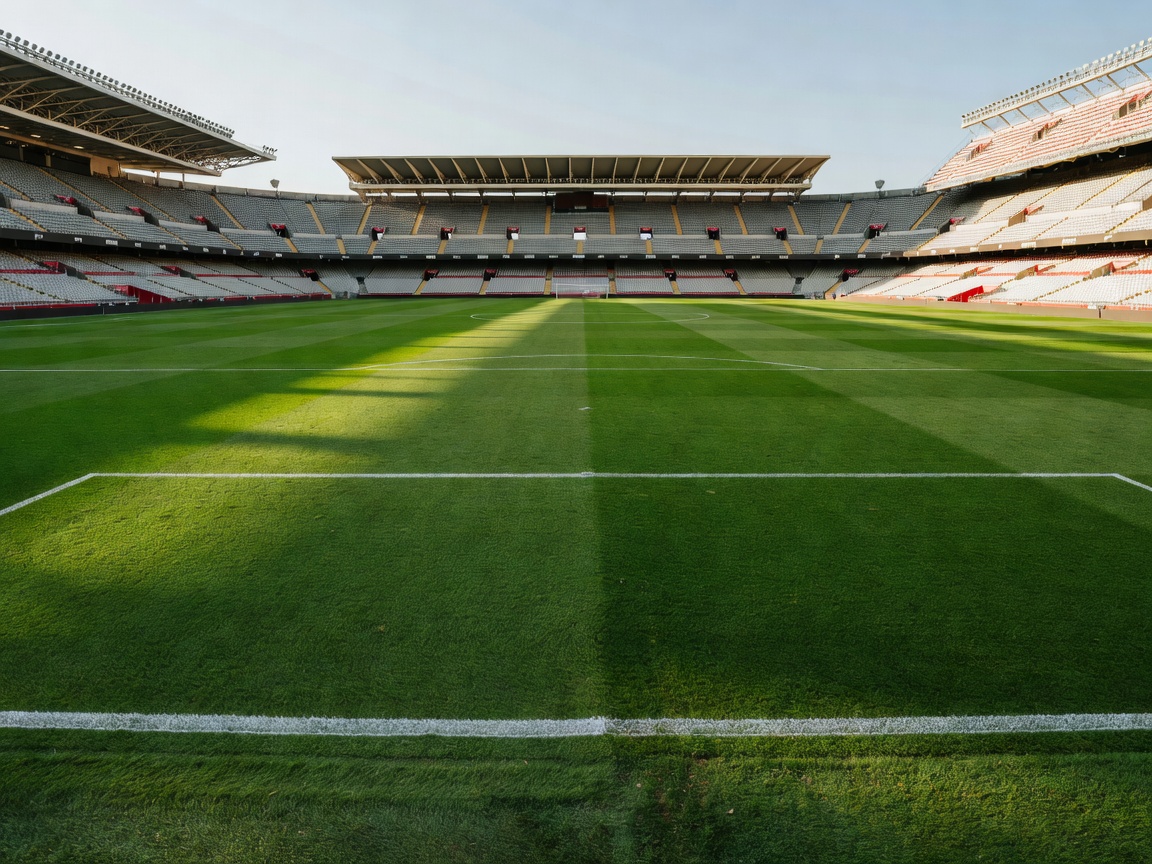
"Spanish football grounds are integrated directly into the living urban fabric of their cities. The stadium is not an isolated island surrounded by parking lots, but the civic climax of a historic neighborhood."
2. Ticketing Windows, Socios & Digital ID Rules (2026 Standards)
Unlike leagues where season ticket holders claim 95% of seats with zero turnover, Spanish clubs release tickets in progressive windows. Socios (member-owners) receive first access, followed by club cardholders (e.g., Madridista Premium or Carnet Soy Bético), with general public sale initiating 5 to 7 days prior to kickoff.
- Nominal Ticketing: Spanish Royal Decree requires all high-profile fixture tickets (El Clásico, Seville Derby, Basque Derby) to be registered with the attendee’s Passport or DNI number. Physical ID must match ticket data at optical scanners.
- Kickoff Schedule Volatility: La Liga fixture times are definitively scheduled only 3 to 4 weeks in advance due to broadcast optimization. Never book rigid return transport earlier than 2.5 hours after scheduled kickoff.
- Grada de Animación Restrictions: Dedicated singing sections (e.g., Grada Fans RMCF, Gol Sur Betis, Espacio Fan Atlético) enforce strict age and biometric entrance parameters to ensure safe, vocal atmosphere.
3. Gastronomic Traditions: Bocadillos & Pipas Culture
Food is an indispensable element of the stadium journey. The defining culinary feature of Spanish stadia is El Bocadillo del Descanso. Fans bring large crusty baguettes wrapped tightly in aluminum foil, filled with cured Iberian ham (Jamón Ibérico), Manchego cheese, or potato omelette (Tortilla de Patatas).
Equally iconic is the cracking sound of pipas (roasted sunflower seeds). Millions of seeds are consumed during tense tactical moments, leaving a nostalgic sensory blanket across stadium grandstands.
4. Chants, Decibel Thresholds & La Pañolada
Spanish arenas favor protracted melodic choral chanting, horn sections, and mass visual choreographies (tifos). The acoustic design of venues like the renovated Santiago Bernabéu and the steep tiers of Ramón Sánchez-Pizjuán funnel sound directly downward into the technical areas, registering verified noise levels exceeding 108.4 decibels during high-stakes European nights.